
This training series supports healthcare professionals, students, and community partners in delivering equitable, culturally responsive care to underserved communities in Inland Southern California. Grounded in community-engaged work with Latinx and Indigenous Mexican populations in the Eastern Coachella Valley and surrounding Salton Sea region, these sessions highlight the role of structural and social determinants of health, while offering practical strategies to improve access, quality of care, and health outcomes.
Training Series: Advancing Culturally and Structurally Competent Care
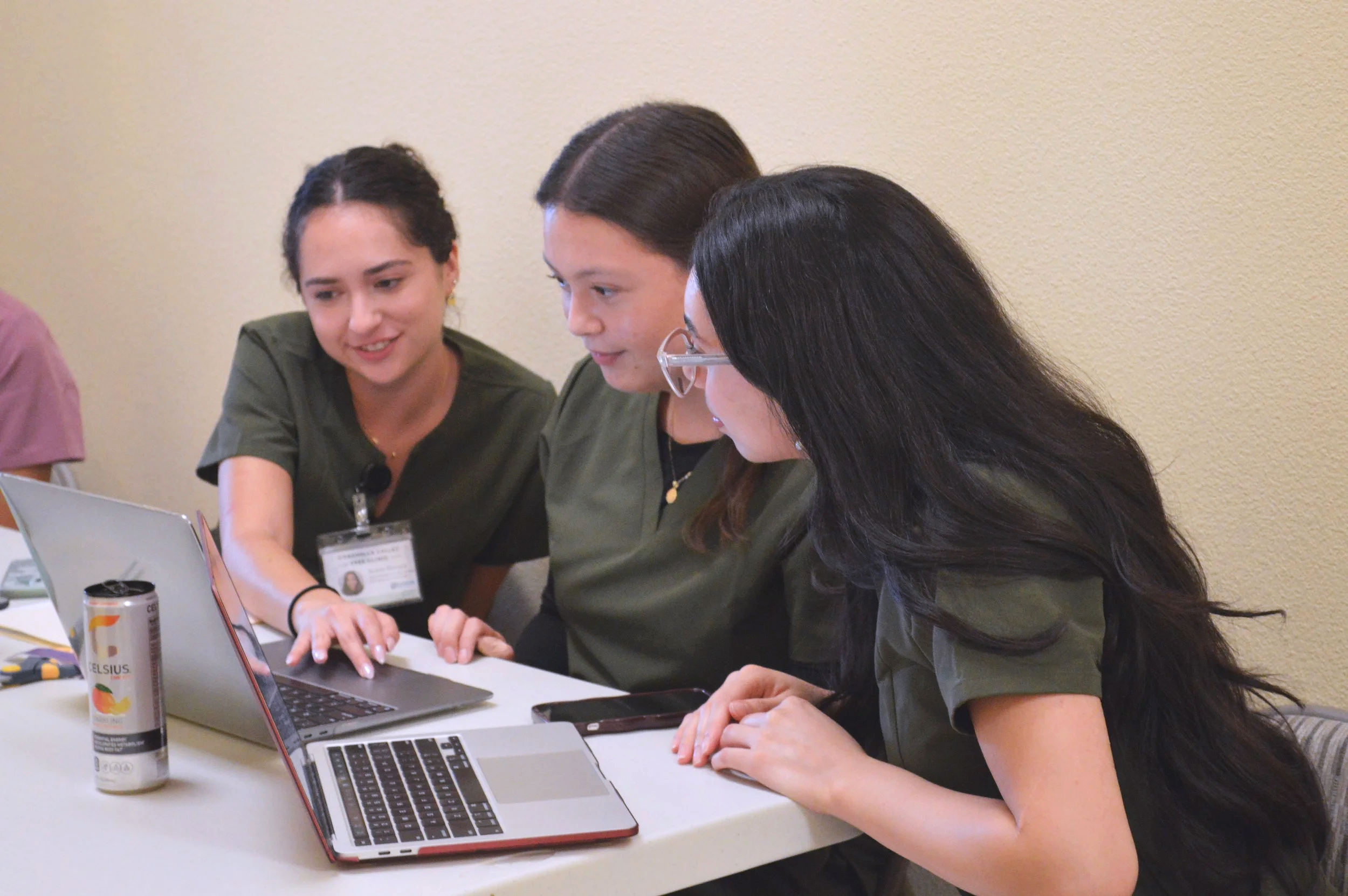
Cultural and Structural Competency in the Care of Latinx Immigrant Patients
This session introduces key concepts in cultural and structural competency and their application in clinical and community settings. Participants will examine how structural barriers shape health outcomes and learn practical approaches to delivering responsive, patient-centered care for rural, farm-working Latinx communities.
Focus Areas:
• Structural determinants of health
• Cultural humility in clinical care
• Strategies to reduce health disparities
Chronic Disease Burden in Latinx and Indigenous Mexican Communities
This session examines the disproportionate burden of chronic disease among Latinx and Indigenous Mexican communities in Inland Southern California. Emphasis is placed on how systemic inequities, cultural factors, and barriers to care influence disease risk, management, and outcomes.
Focus Areas:
• Chronic disease patterns and risk factors
• Social and structural drivers of health
• Culturally responsive prevention and management strategies
Barriers to Healthcare Access and Strategies to Achieve Equitable Access
This session explores common barriers to healthcare access among Latinx and Indigenous Mexican immigrant populations, with particular attention to rural communities. Participants will learn strategies to address these barriers and support more equitable access to care.
Focus Areas:
• Structural and logistical barriers to care
• Rural healthcare access challenges
• Community-informed strategies to improve access
